
VW 3.6L Engine Problems: Why 10,000-Mile Oil Changes Are Destroying Engines
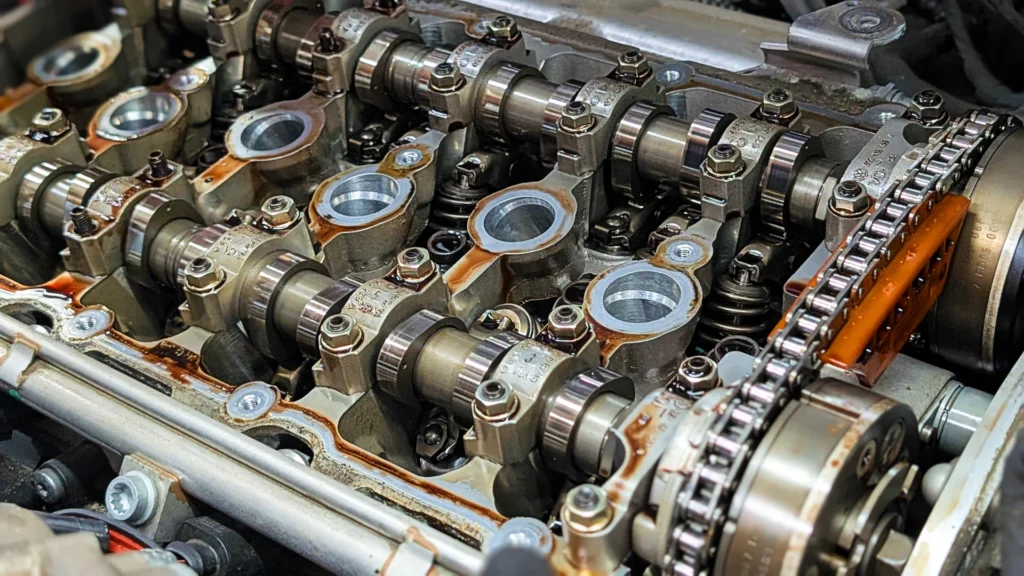
Factory Oil Intervals Are Too Long
The Volkswagen 3.6L VR6 engine — found in the Passat, Atlas, Touareg, and CC — is a capable powerplant when it’s maintained properly. The problem is that “properly” and “what the factory recommends” aren’t the same thing.
VW’s factory oil change interval for this engine is 10,000 miles. We’ve been working on these engines at our Hooksett, NH shop since the first-generation VR6 FSI models arrived, and we can tell you from direct experience: that interval is too long. By 10,000 miles, the oil in these engines is saturated with contaminants and losing its ability to protect the internal components that are most vulnerable to wear.
We recommend changing your oil every 5,000 miles — no exceptions. The cost difference between a 5,000-mile oil change and a 10,000-mile one is minimal. The cost difference between regular oil changes and the engine repairs that result from skipping them can easily exceed $10,000.
Common 3.6L VR6 Engine Failures
These are the issues we see most frequently when a 3.6L engine comes into the shop with problems. Nearly all of them trace back to insufficient lubrication from extended oil change intervals.
Timing Chain & Guide Wear
Upper timing chains stretch and plastic guides deteriorate, leading to chain rattle on cold starts and eventually catastrophic timing failure.
Camshaft & Rocker Arm Wear
Inadequate lubrication causes camshaft lobes and rocker arm rollers to wear prematurely, creating ticking noises and misfires.
Fuel Pump Tappet Failure
The cam lobe driving the high-pressure fuel pump wears flat, starving the direct injection system of fuel pressure.
Input Shaft Gear Wear
The gear driving the fuel pump cam wears down, requiring upper timing chain removal to replace — a major repair.
Fuel Injector Failure
Direct injectors develop spray pattern issues causing misfires, rough idle, and uneven combustion that damages other components.
Carbon Buildup on Intake Valves
Every direct-injection VW and Audi accumulates carbon on intake valves. Walnut blasting is the standard fix, typically around 60k–80k miles.
If you’re hearing unusual ticking, rattling on cold starts, or feeling misfires under load, don’t wait — these symptoms escalate quickly on this engine. Our factory-level diagnostic equipment can pinpoint exactly what’s happening before it becomes a major teardown.
How a Routine Oil Change Uncovered Serious Engine Damage
Real Repair — 2018 VW Passat
This 2018 Passat came into our shop for a standard oil change. During the digital vehicle inspection and road test, we noticed the engine was misfiring and hesitating under acceleration — something that wouldn’t be caught at a quick lube or a shop that doesn’t road-test every car.
What the Oil Filter Told Us
When we drained the oil and cut open the filter, it was full of fine metal particles. That’s a clear sign of internal wear — metal-on-metal contact somewhere inside the engine that shouldn’t be happening.
The Spark Plug Clue
The owner had recently replaced the spark plugs themselves. While DIY maintenance can work fine for simple jobs, this is exactly why we recommend having a specialist handle your tune-up service. If we’d done the spark plugs, we would have caught the issue earlier: plug #2 looked completely different from the other five — a telltale sign of a failing fuel injector on that cylinder.
Video: Comparing the worn #2 spark plug against the other five cylinders on this 2018 Passat 3.6L
Fuel Injector Failures Are More Common Than You’d Think
We see this pattern regularly. An owner replaces spark plugs and ignition coils trying to chase a misfire, but the actual culprit is a failing fuel injector. On the 3.6L, direct injectors are a known weak point — and driving too long with a bad one can cause uneven combustion temperatures that lead to much more serious damage. The NHTSA complaints database has documented this across multiple model years.
What We Found Inside the Engine
We used a borescope to inspect the intake valves and combustion chambers. The carbon buildup was significant — not unusual for a direct-injection VW with 60,000+ miles, but it confirmed the engine needed a full walnut blast carbon cleaning in addition to the injector work.
Borescope: Intake valves and combustion chambers before carbon cleaning
When we tore down the upper end of the engine, we found the input shaft gear lobe was worn — this is the cam that drives the high-pressure fuel pump. Both the tappet and shaft gear needed replacement, which requires removing the upper timing chains. It’s a significant repair.
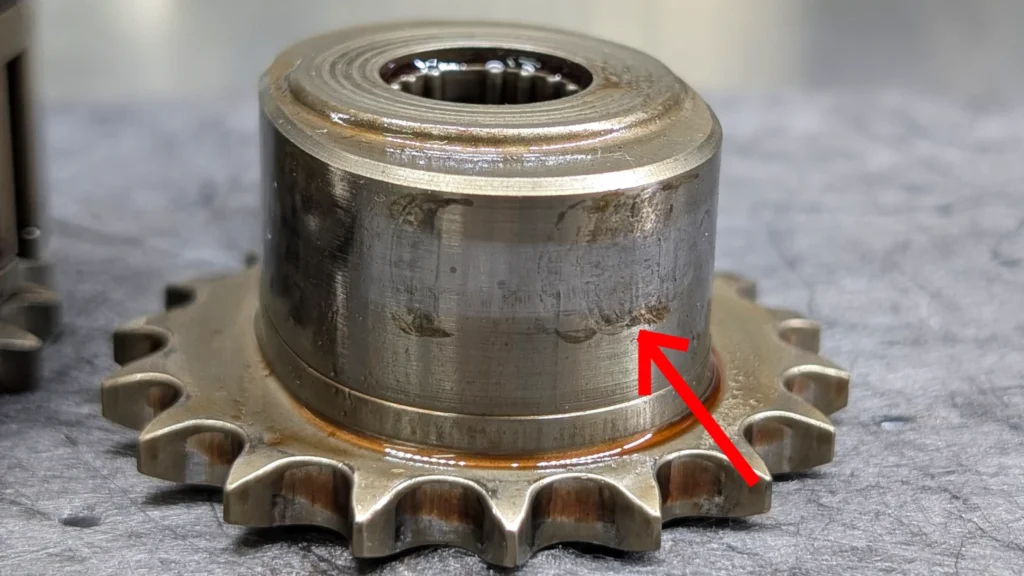
Photo: Worn input shaft gear lobe — the cam that drives the high-pressure fuel pump
We also found heavy wear on the camshaft lobes and rocker arm rollers — another failure mode we’ve come to expect on high-mileage 3.6L engines that weren’t serviced on a 5,000-mile interval.

Photo: Worn rocker arm roller — clear evidence of extended oil change intervals
Concerned About Your 3.6L VR6?
If your Passat, Atlas, or Touareg is misfiring, ticking, or overdue for service, bring it in before a small problem becomes an engine teardown. We work on these engines every week at our Hooksett shop — just off Exit 1 on Route 101.
Call us at (603) 207-4004 or schedule online. Every repair is backed by our 3-year / 36,000-mile warranty, and we have free loaner cars available if your car needs to stay with us.
Protect Your 3.6L Engine
5,000-mile oil changes — the single most important thing you can do
The factory 10,000-mile interval may be printed in your owner’s manual, but it’s a recipe for premature internal wear. A $90 oil change every 5,000 miles is cheap insurance against a $10,000+ engine repair.
Beyond oil changes, have your spark plugs and filters serviced on schedule by someone who knows what to look for. Catch fuel injector issues early. Get a carbon cleaning around 60,000–80,000 miles. And if you’re buying a used Passat, Atlas, or Touareg with the 3.6L, a pre-purchase inspection that includes an oil filter cut and borescope check can save you from inheriting someone else’s deferred maintenance.
3.6L VR6 Engine Code Reference
Not sure which version of the 3.6L you have? Here’s the complete engine code list. You can find yours on the engine block or in your vehicle’s build sheet.
| Engine Code | Description | Applications |
|---|---|---|
| BLV | 3.6L VR6 FSI 24V DOHC | 2006–2008 Passat, Touareg |
| BWS | 3.6L VR6 FSI 24V DOHC | Passat B6, early models |
| CDVA | 3.6L VR6 FSI (2nd gen) | 2012–2015 Passat, 2011+ Touareg |
| CDVC | 3.6L VR6 FSI | U.S.-spec Touareg, Atlas |
| CDVB | 3.6L VR6 FSI | Similar to CDVA with ECU updates |
| CDVR | 3.6L VR6 FSI (latest variant) | Atlas, Passat, 2020+ models |
| CGRA | 3.6L VR6 FSI for 4Motion | AWD-equipped models |
Frequently Asked Questions
How often should I change the oil in my VW 3.6L engine?
Every 5,000 miles using the manufacturer-specified full synthetic oil. VW’s factory interval of 10,000 miles is too aggressive for this engine’s internal tolerances. The timing chain system, cam lobes, and fuel pump tappet all depend on clean oil to prevent metal-on-metal wear. The small cost of doubling your oil change frequency is nothing compared to the engine repairs that result from extended intervals.
What are the first signs of 3.6L engine problems?
Watch for cold-start timing chain rattle (a ticking or rattling sound in the first few seconds after startup), misfires or rough idle, hesitation under acceleration, a check engine light with injector or cam sensor codes, and unusual oil consumption. Any of these warrant an immediate inspection — don’t wait for the next scheduled service.
Is the VW 3.6L engine reliable?
It can be, with proper maintenance. The engine’s Achilles heel is its sensitivity to oil quality and change intervals. Follow a 5,000-mile synthetic oil schedule, stay on top of spark plugs and fuel injectors, and get a carbon cleaning at 60k–80k miles, and these engines can last well over 150,000 miles without major issues.